

Embark on a journey through the world of roofing materials with our detailed exploration of the top choices used globally. From traditional options to modern innovations like metal and asphalt, this guide covers it all.
Types of Roofing Materials
Roofing materials play a crucial role in protecting buildings from the elements. There are various types of roofing materials used globally, ranging from traditional options to more modern choices.
Traditional Roofing Materials
- Thatch: Thatch is a traditional roofing material made from dried plant materials like straw or reeds. It is commonly used in regions with a long history of this roofing method, providing natural insulation and a rustic aesthetic.
- Wood Shingles: Wooden shingles are another traditional option, offering a classic look and natural feel. While they require more maintenance than some modern materials, they are popular for their charm and eco-friendly appeal.
- Clay Tiles: Clay tiles have been used for centuries and are known for their durability and distinctive appearance. They are often seen in Mediterranean and Spanish-style architecture, adding a touch of elegance to buildings.
Modern Roofing Materials
- Metal Roofing: Metal roofs have gained popularity for their longevity, energy efficiency, and low maintenance requirements. They come in various styles, including standing seam panels and metal shingles, offering a sleek and contemporary look.
- Asphalt Shingles: Asphalt shingles are one of the most commonly used roofing materials today due to their affordability and ease of installation. They come in a range of colors and styles, making them a versatile choice for different architectural designs.
- Concrete Tiles: Concrete tiles are a durable and cost-effective roofing option that mimics the look of traditional clay tiles. They offer excellent fire resistance and can withstand harsh weather conditions, making them a practical choice for many homeowners.
Environmental Impact
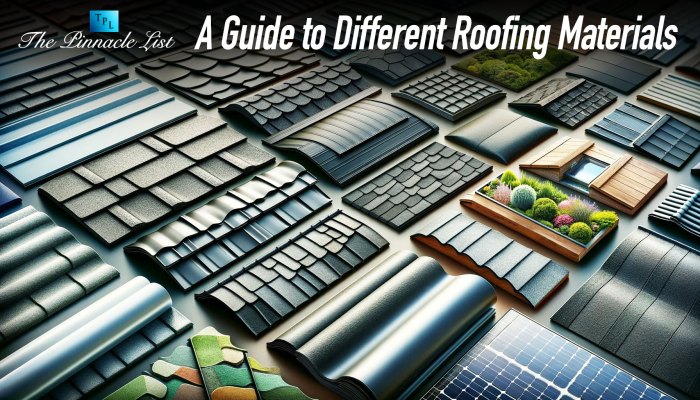
When it comes to roofing materials, the environmental impact is a crucial factor to consider. Different materials have varying levels of sustainability and energy efficiency, which can significantly affect the overall environmental footprint of a building.
Metal Roofs
Metal roofs are known for their durability and recyclability, making them a sustainable choice for environmentally conscious homeowners. They can be made from recycled materials and are often fully recyclable at the end of their lifespan. Additionally, metal roofs have high solar reflectance, reducing heat absorption and lowering energy costs for cooling.
Clay Tiles
Clay tiles are another eco-friendly roofing option due to their longevity and natural composition. They are made from natural clay and are energy-efficient, helping to keep homes cool in hot climates. However, the manufacturing process of clay tiles can have a higher environmental impact compared to other materials.
Green Roofs
Green roofs, also known as living roofs, consist of vegetation planted on the roof surface. They provide insulation, absorb rainwater, and reduce the urban heat island effect. Green roofs can significantly improve energy efficiency by reducing heating and cooling needs in buildings.
However, they require regular maintenance and can be costly to install.Overall, the choice of roofing material can have a substantial impact on the environment and energy efficiency of a building. Homeowners should consider factors such as durability, recyclability, and energy efficiency when selecting the right roofing material for their property.
Durability and Longevity
When it comes to roofing materials, durability and longevity are crucial factors to consider. The longevity of a roof depends on various factors such as the material used, installation quality, maintenance, and environmental conditions.
Asphalt Shingles
- Asphalt shingles are one of the most commonly used roofing materials known for their durability.
- They have a lifespan of around 20-30 years, depending on the quality and maintenance.
Metal Roofing
- Metal roofing is highly durable and can last for 40-70 years or even longer.
- Materials like steel, aluminum, and copper are known for their longevity and resistance to harsh weather conditions.
Clay Tiles
- Clay tiles have been used for centuries and are known for their longevity.
- They can last anywhere from 50 to over 100 years with proper installation and maintenance.
Factors Affecting Longevity
- Proper installation by experienced professionals can significantly impact the lifespan of a roof.
- Regular maintenance and inspections help identify and address issues before they escalate.
- Climate and environmental factors play a crucial role in determining how long a roofing material will last.
Cost and Affordability
When considering roofing materials, one crucial factor to take into account is the cost and affordability associated with each option. The initial cost of the material, as well as the long-term maintenance expenses, can vary significantly and impact the overall affordability of the roofing solution.
Additionally, geographical location can also play a role in determining the affordability of certain materials, as availability and transportation costs can influence prices.
Cost Implications of Different Roofing Materials
- Asphalt shingles are one of the most affordable roofing materials, making them a popular choice for homeowners on a budget.
- Metal roofing, while initially more expensive than asphalt shingles, can be a cost-effective option in the long run due to its durability and low maintenance requirements.
- Wood shakes and shingles are typically more expensive upfront and may require more frequent maintenance, impacting their overall affordability.
- Slate and tile roofs are among the most expensive roofing options, but their longevity and durability can make them a worthwhile investment over time.
Geographical Influence on Affordability
The geographical location of a property can also impact the affordability of roofing materials. For example, materials that need to be imported to a remote area may incur higher transportation costs, making them less affordable compared to locally sourced options.
Additionally, climates with extreme weather conditions may require more durable and costly materials to ensure the roof can withstand the elements, affecting overall affordability.
Aesthetics and Design
When it comes to roofing materials, aesthetics and design play a crucial role in enhancing the overall look of a building. Different materials offer unique visual appeal and can contribute to the architectural style of a structure.
Variety of Design Options
Roofing materials come in a wide range of colors, textures, and shapes, allowing for endless design possibilities. For example, clay tiles can create a Mediterranean or Spanish-style look, while metal roofing offers a modern and sleek appearance.
Enhancing Architectural Features
Specific roofing materials can help highlight certain architectural features of a building. For instance, cedar shingles can complement the rustic charm of a cottage, while slate tiles can add a touch of elegance to a historic home.
Unique Architectural Designs
Some roofing materials are used to achieve unique architectural designs that stand out. Green roofs, made with living vegetation, not only provide environmental benefits but also add a distinctive and eco-friendly look to a building.
Final Conclusion
In conclusion, the selection of roofing materials plays a crucial role in the aesthetics, durability, and environmental impact of a building. With a variety of options available, it's important to consider factors like cost, longevity, and design to make an informed choice for your roofing needs.
Clarifying Questions
What are some examples of traditional roofing materials?
Traditional roofing materials include thatch, wood shakes, and clay tiles.
How does the choice of roofing material impact energy efficiency?
The choice of roofing material can affect energy efficiency by influencing insulation properties and heat absorption.
What factors contribute to the longevity of roofing materials?
Factors such as material quality, installation methods, maintenance, and exposure to weather conditions can impact the longevity of roofing materials.