
The Future of Smart Roofing Technology sets the stage for this enthralling narrative, offering readers a glimpse into a story that is rich in detail and brimming with originality from the outset. As we delve into the world of smart roofing, we uncover a realm where innovation meets sustainability, revolutionizing the way we think about roofs.
As we explore the evolution of smart roofing technology and its impact on energy efficiency and sustainability, we are propelled into a future where roofs are not just overhead structures but dynamic components of a smart ecosystem.
Smart Roofing Technology Overview
Smart roofing technology refers to the integration of advanced sensors, monitoring systems, and automation features into roofing solutions to enhance performance, efficiency, and sustainability. These systems are designed to collect data, analyze environmental conditions, and optimize the functionality of roofs in real-time.Key Features of Smart Roofing Systems:
- Weather Monitoring: Smart roofing systems are equipped with sensors that can detect changes in weather conditions such as temperature, humidity, and precipitation.
- Solar Panel Integration: Some smart roofs come with built-in solar panels that can generate electricity and reduce energy costs for the building.
- Leak Detection: Smart roofing technology can identify leaks and other potential issues early on, preventing water damage and costly repairs.
- Remote Monitoring: Users can access real-time data about their roof's performance through mobile applications or online platforms.
Benefits of Integrating Smart Technology into Roofing Solutions:
- Improved Energy Efficiency: Smart roofs can regulate temperature and reduce the need for heating and cooling, leading to lower energy consumption.
- Cost Savings: By detecting problems early and optimizing performance, smart roofing systems can help save money on repairs and maintenance in the long run.
- Sustainability: The use of solar panels and energy-efficient features in smart roofs contributes to a greener environment and reduces carbon footprint.
- Enhanced Safety: Smart roofing technology enhances safety by providing timely alerts about potential hazards and ensuring structural integrity.
Current Trends in Smart Roofing
Smart roofing technology is constantly evolving, with innovative products entering the market to enhance energy efficiency and sustainability. Let's explore some current trends in smart roofing:
Innovative Smart Roofing Products
Smart roofing products such as solar shingles, cool roofs, and green roofs have gained popularity in recent years. Solar shingles, for example, are designed to seamlessly integrate solar technology into traditional roofing materials, allowing homeowners to generate electricity while maintaining the aesthetic appeal of their homes.
Cool roofs, on the other hand, are designed to reflect more sunlight and absorb less heat, reducing the need for air conditioning and lowering energy costs. Green roofs are another innovative solution, featuring vegetation that helps improve air quality, reduce stormwater runoff, and provide insulation.
Evolution of Smart Roofing Technology
Smart roofing technology is evolving rapidly, incorporating advancements in materials, sensors, and data analytics. New materials are being developed to enhance durability, energy efficiency, and environmental sustainability. Sensors are being integrated into roofs to monitor temperature, moisture levels, and energy production in real-time, allowing for proactive maintenance and optimization.
Data analytics tools are also being used to analyze the performance of smart roofs and identify opportunities for improvement.
Impact on Energy Efficiency and Sustainability
Smart roofs have a significant impact on energy efficiency and sustainability. By harnessing renewable energy sources like solar power, smart roofs reduce reliance on fossil fuels and lower carbon emissions. The energy savings from smart roofs can also lead to lower utility bills for homeowners and businesses.
Additionally, the environmental benefits of smart roofs, such as reduced heat island effect and improved air quality, contribute to a more sustainable built environment.
Advanced Materials in Smart Roofing
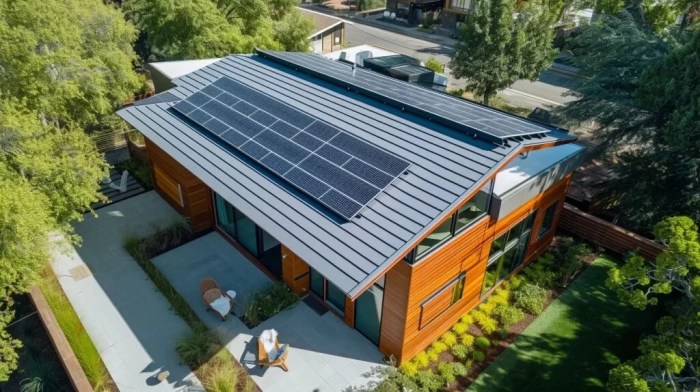
As smart roofing technology continues to advance, the materials used in smart roofing systems play a crucial role in enhancing the efficiency and sustainability of roofs. These advanced materials offer a range of benefits over traditional roofing materials, including improved durability and longevity.
Materials Used in Smart Roofing Systems
Smart roofing systems incorporate a variety of advanced materials, such as:
- Solar panels: These photovoltaic panels capture sunlight and convert it into electricity, allowing roofs to generate renewable energy.
- Lightweight composite materials: These materials are strong, durable, and resistant to harsh weather conditions, providing added protection to the roof.
- Reflective coatings: These coatings help reduce heat absorption, keeping the interior of buildings cooler and lowering energy costs.
Comparison with Traditional Roofing Materials
When compared to traditional roofing materials like asphalt shingles or metal roofs, advanced materials in smart roofing offer several advantages:
- Enhanced energy efficiency: Smart roofing materials help reduce energy consumption by generating electricity or reflecting heat, leading to lower utility bills.
- Improved sustainability: By harnessing renewable energy sources and reducing carbon emissions, smart roofing materials contribute to a more environmentally friendly building industry.
- Longer lifespan: Advanced materials in smart roofs are designed to be more durable and long-lasting, requiring less maintenance and replacement over time.
Durability and Longevity of Advanced Materials
The durability and longevity of advanced materials in smart roofs are key factors that make them a preferred choice for modern buildings:
- Weather resistance: Advanced materials are designed to withstand extreme weather conditions, such as heavy rain, strong winds, and hail, ensuring the roof remains intact and protective.
- Low maintenance: Smart roofing systems with advanced materials require minimal upkeep, reducing the need for frequent repairs and replacements, thus saving time and money in the long run.
- Sustainability: The longevity of advanced materials promotes sustainable practices by reducing waste and the environmental impact of roofing systems, making them a more eco-friendly option.
Energy Efficiency and Sustainability
Smart roofing technology plays a significant role in enhancing energy efficiency and promoting sustainability in the construction industry
Energy Efficiency Benefits
Smart roofing systems are designed to optimize energy usage within buildings by regulating temperature and improving insulation. This helps reduce the need for excessive heating or cooling, resulting in lower energy bills and decreased reliance on non-renewable energy sources. Additionally, features like solar panels and reflective coatings can further enhance energy efficiency by harnessing renewable energy and minimizing heat absorption.
Environmental Sustainability
Sustainable smart roofing solutions offer a range of environmental benefits, such as reducing greenhouse gas emissions and lowering overall carbon footprint. By utilizing eco-friendly materials and incorporating green technologies, smart roofs promote environmental conservation and contribute to a healthier ecosystem.
These solutions also help mitigate urban heat island effects and combat climate change by reducing energy demand and reliance on fossil fuels.
Carbon Footprint Reduction
Smart roofs play a crucial role in reducing carbon footprint by improving energy efficiency and utilizing renewable energy sources. The integration of solar panels, green roofs, and cool roof technologies helps offset carbon emissions associated with traditional roofing systems. This shift towards sustainable practices not only benefits the environment but also supports global efforts to combat climate change and promote a greener future.
Integration of IoT and Automation
Smart roofing systems are evolving with the integration of Internet of Things (IoT) technology and automation, transforming traditional roofs into advanced, efficient structures.
IoT Integration in Smart Roofing
IoT plays a crucial role in smart roofing by connecting various sensors and devices embedded in the roof to a centralized system. This allows for real-time monitoring of environmental conditions, such as temperature, humidity, and weather patterns.
- IoT sensors can detect leaks or damage early on, triggering alerts to property owners or maintenance teams for timely repairs.
- Remote monitoring through IoT enables proactive maintenance, reducing the risk of costly repairs and extending the lifespan of the roof.
- Integration with weather forecasting systems can optimize energy usage by adjusting insulation or ventilation based on predicted weather conditions.
Role of Automation in Smart Roof Management
Automation enhances the efficiency of managing smart roofs by automating routine tasks and enabling intelligent decision-making processes.
- Automated systems can adjust lighting, heating, or cooling based on occupancy patterns or energy consumption data, optimizing energy efficiency.
- Automated alerts for maintenance or repairs streamline the process, ensuring timely interventions and minimizing disruptions.
- Integration with building management systems allows for seamless control and coordination of various building functions for enhanced performance.
Examples of IoT Enhancements in Smart Roofs
IoT capabilities in smart roofing systems offer innovative solutions for improved functionality and sustainability.
- Smart skylights equipped with IoT sensors can adjust transparency based on sunlight intensity, enhancing natural lighting and energy efficiency.
- Solar panels integrated with IoT technology can track sun exposure and adjust angles for optimal energy generation throughout the day.
- Smart roof coatings with IoT sensors can detect pollution levels and self-clean, maintaining their reflective properties for better energy efficiency.
Smart Roofing Installation and Maintenance
Installing smart roofing technology involves a detailed process to ensure proper functionality and efficiency. Maintenance is essential to prolong the lifespan of smart roofs and maximize their benefits. Let's delve into the specifics of smart roofing installation and maintenance.
Installation Process of Smart Roofing
Smart roofing installation begins with a thorough assessment of the building structure and the specific requirements of the smart roofing system. This includes determining the placement of sensors, solar panels, and other components to optimize performance. Skilled professionals are needed to handle the installation process efficiently and accurately.
Maintenance Requirements of Smart Roofs
Maintenance of smart roofs is crucial to prevent any potential issues and ensure continuous operation. Regular inspections, cleaning of sensors, and monitoring of energy consumption are essential tasks for maintaining smart roofs. Prompt repairs and software updates are also necessary to address any issues that may arise.
Potential Challenges in Installing and Maintaining Smart Roofing Systems
- Complexity of Technology: Smart roofing systems are sophisticated and require specialized knowledge for installation and maintenance, which can pose challenges for some professionals.
- Integration Issues: Ensuring seamless integration of smart roofing components with existing building systems can be a challenge, requiring careful planning and coordination.
- Cost Considerations: The initial cost of installing smart roofing technology and the ongoing maintenance expenses can be a barrier for some property owners, impacting the adoption of these systems.
- Weather Sensitivity: Smart roofing systems are exposed to the elements, making them susceptible to weather-related damage and requiring extra care and maintenance during extreme conditions.
Final Thoughts
In conclusion, The Future of Smart Roofing Technology paints a picture of a world where roofs are no longer just protective shields but intelligent systems that enhance our lives and the environment. With a focus on advanced materials, energy efficiency, IoT integration, and maintenance, smart roofs are paving the way for a greener and smarter future.
FAQ Explained
How do smart roofing systems contribute to energy efficiency?
Smart roofing systems utilize sensors and automation to optimize energy usage, reducing overall consumption and promoting efficiency.
What are some challenges in installing and maintaining smart roofing systems?
Challenges may include compatibility issues with existing structures, specialized maintenance requirements, and the need for trained professionals to handle the technology.
How does IoT enhance the functionality of smart roofs?
IoT allows for real-time monitoring, data collection, and remote control capabilities, enabling smart roofs to adapt to changing conditions and operate more efficiently.