
Embarking on the journey of exploring How Green Roofing Trends Are Shaping Global Construction, we delve into the transformative impact of sustainable practices in the construction industry. From environmental benefits to technological advancements, this topic sheds light on the evolving landscape of green roofing trends worldwide.
Green Roofing Benefits
Green roofing comes with a multitude of benefits that go beyond just aesthetics. One of the key advantages is its positive impact on the environment, making it a sustainable choice for construction projects.
Environmental Advantages
- Reduces urban heat island effect by absorbing heat and providing natural insulation.
- Improves air quality by capturing air pollutants and reducing greenhouse gas emissions.
- Promotes biodiversity by creating habitats for birds, insects, and other wildlife.
Energy Efficiency
- Enhances thermal performance of buildings, reducing the need for heating and cooling.
- Decreases energy consumption, leading to lower utility bills and carbon footprint.
- Extends the lifespan of roofing materials by protecting them from UV radiation and temperature fluctuations.
Economic Benefits
- Reduces stormwater runoff, lowering the risk of flooding and minimizing strain on municipal drainage systems.
- Increases property value and attracts tenants or buyers due to the added green space and energy savings.
- Eligible for tax incentives, grants, or rebates in some regions, encouraging investment in sustainable building practices.
Types of Green Roofs
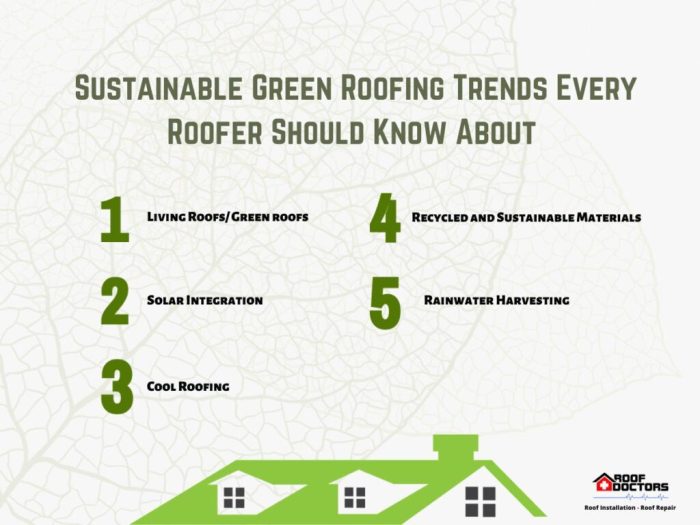
Green roofs come in various types, each offering unique benefits and features that cater to different needs in global construction. One of the key distinctions in green roofs is between intensive and extensive green roofs.
Intensive Green Roofs
Intensive green roofs are characterized by their deeper soil depth, allowing for a wider variety of plants and vegetation to be grown. These roofs can support larger plants, trees, and even recreational spaces such as gardens and parks. Due to their heavier weight and complex irrigation systems, intensive green roofs require more maintenance and structural support.
Extensive Green Roofs
On the other hand, extensive green roofs have shallower soil depths and are lighter in weight compared to intensive green roofs. They typically feature low-growing vegetation like sedum, grasses, and mosses. Extensive green roofs require minimal maintenance and are more cost-effective to install.
They are ideal for buildings where weight and structural considerations are a concern.Factors influencing the selection of green roof types include the building's structural capacity, budget constraints, maintenance capabilities, and desired aesthetics. By understanding the differences between intensive and extensive green roofs, construction professionals can choose the most suitable option based on the specific needs and requirements of the project.
Global Adoption of Green Roofing
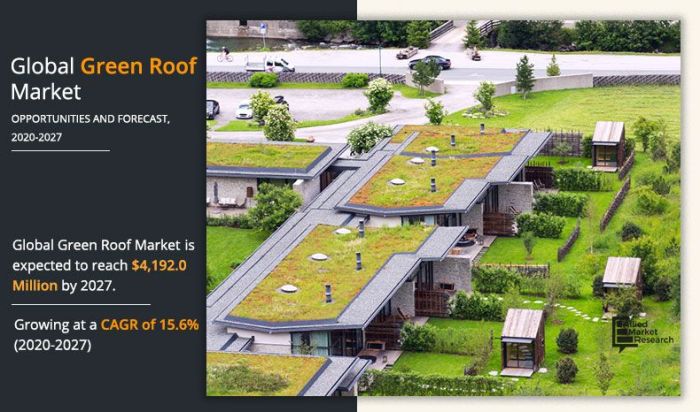
Green roofing has gained significant traction worldwide, with several countries leading the way in embracing this sustainable construction trend. These countries have implemented policies and incentives to drive the adoption of green roofs, contributing to the global shift towards more eco-friendly building practices.
Countries Leading in Green Roof Adoption
- Germany: Known for its extensive green roof installations, Germany has been a pioneer in promoting environmentally friendly building practices.
- Canada: Cities like Toronto have mandated green roofs on certain types of buildings, leading to a surge in green roof installations.
- Australia: With its focus on sustainability, Australia has seen a rise in green roof projects in urban areas.
Policies and Incentives Driving the Global Shift
- Incentives: Many countries offer financial incentives or tax breaks to encourage the installation of green roofs, making them a more attractive option for builders.
- Regulations: Some regions have implemented regulations requiring a certain percentage of new buildings to include green roofs, driving the adoption of this eco-friendly practice.
Growth of Green Roofing in Developed vs Developing Nations
- Developed Nations: Countries with higher levels of economic development have been quicker to adopt green roofing practices, often due to stronger regulations and incentives in place.
- Developing Nations: While the adoption of green roofs is slower in developing nations, there is a growing interest in sustainable construction practices as awareness of environmental issues increases.
Green Roofing Technologies
Green roofing technologies continue to evolve to enhance the performance and sustainability of green roofs. These innovative technologies are essential in maximizing the benefits of green roofs and improving their efficiency in various climates.
Smart Technologies Integration
Smart technologies play a crucial role in the integration of green roof systems, allowing for enhanced monitoring and control. These technologies enable real-time data collection on factors such as temperature, moisture levels, and plant health, helping optimize the performance of green roofs.
IoT in Monitoring and Maintenance
The Internet of Things (IoT) is increasingly being utilized in monitoring and maintaining green roofs. IoT sensors can provide valuable data on environmental conditions, allowing for proactive maintenance and ensuring the longevity of green roof systems. By leveraging IoT, building owners and managers can make informed decisions to optimize the performance of their green roofs.
Sustainable Materials in Green Roofing
Green roofing is known for using sustainable materials that have a lower environmental impact compared to traditional roofing options. These materials not only help in reducing carbon footprint but also contribute to energy efficiency and overall environmental sustainability.
Common Sustainable Materials Used in Green Roofing
- Sedum plants: These low-maintenance plants are commonly used in extensive green roofs due to their ability to thrive in various climates and soil conditions.
- Recycled materials: Utilizing recycled rubber, plastic, or glass in green roof construction helps reduce waste and energy consumption associated with manufacturing new materials.
- Vegetation mats: These pre-grown mats of vegetation provide instant green coverage on roofs and help in stormwater management and biodiversity promotion.
Environmental Impact of Sustainable Materials in Green Roofing
- Reduced energy consumption: Green roofs made with sustainable materials provide better insulation, reducing the need for heating and cooling, thus lowering energy consumption and greenhouse gas emissions.
- Stormwater management: The use of vegetation mats and other sustainable materials helps in absorbing rainwater, reducing runoff and minimizing the strain on urban drainage systems.
- Biodiversity promotion: By using natural materials like sedum plants, green roofs contribute to the promotion of urban biodiversity and provide habitats for insects and birds.
Advancements in Sustainable Roofing Materials for Green Roofs
- Biodegradable materials: Researchers are exploring the use of biodegradable materials in green roof construction to further enhance sustainability and reduce environmental impact.
- Smart materials: Advancements in technology have led to the development of smart materials that can respond to environmental changes, optimizing energy efficiency and performance of green roofs.
- Nanotechnology: Nanomaterials are being studied for their potential applications in green roofing, offering enhanced durability, thermal properties, and environmental benefits.
Conclusion
In conclusion, the integration of green roofing trends into global construction practices is paving the way for a more sustainable future. With a focus on environmental consciousness and innovation, the shift towards green roofs is not just a trend but a crucial step towards building a greener world.
Frequently Asked Questions
What are the economic benefits of installing green roofs?
Green roofs can reduce energy costs, extend the lifespan of the roof, and increase property value.
What are some examples of countries leading in the adoption of green roofing?
Germany, Canada, and Australia are among the countries at the forefront of green roofing implementation.
How do smart technologies enhance the performance of green roofs?
Smart technologies help in monitoring and regulating factors like irrigation, temperature, and energy usage in green roof systems.
What are some sustainable materials commonly used in green roof construction?
Sustainable materials such as recycled rubber, reclaimed wood, and native vegetation are often used in green roof installations.